
How to Build an AI Virtual Decorator MicroSaaS
The "AI Interior Designer" niche is exploding. People love seeing their messy rooms transformed into magazine-quality spaces in seconds. It's a perfect MicroSaaS candidate: high visual impact, clear value proposition, and viral potential.
In this guide, we'll walk through how to build one using Lovable for the frontend/app and Nano Banana Pro for the AI generation. Then, we'll cover the critical marketing strategy that can turn a generic tool into a profitable business: Localization.
The Tech Stack
1. Lovable (The App Builder)
We'll use Lovable.dev to build the web application. Lovable is an AI-powered full-stack builder that allows you to generate a complete React + Node.js application just by chatting with it. It handles the UI, file uploads, and API integrations.
2. Nano Banana Pro (The AI Decorator)
For the "magic" part, we'll use Nano Banana Pro. This model excels at image-to-image transformation, allowing it to "see" a room's structure and "imagine" new furniture and styles on top of it without hallucinating structural impossibilities. It offers incredible control over lighting and texture, making the results look photorealistic.
Step-by-Step Build Guide
Step 1: Initialize in Lovable
Start a new project in Lovable. Your initial prompt should clearly define the app's scope:
"Create a modern, dark-mode web app called 'IA virtual decorator'. It should have a drag-and-drop zone for users to upload photos of their room. Below that, add a selector for 'Design Style' (Modern, Scandinavian, Industrial, Bohemian)."
Step 2: Handle Image Uploads
Ask Lovable to add an API route for handling images.
"When a user uploads an image, convert it to base64 and prepare it to be sent to an external API."
Step 3: Integating Nano Banana Pro
Now, connect the two. You'll need your Nano Banana Pro API key.
"Create a 'Generate' button. When clicked, send the uploaded image and the selected style to the Nano Banana Pro API. Display a loading spinner, and then show the returned image side-by-side with the original."
Note: You may need to provide Lovable with the specific API docs for Nano Banana Pro if it's a very new model (as of today), but usually, it can figure out standard REST patterns.
Step 4: Add Comparison Features
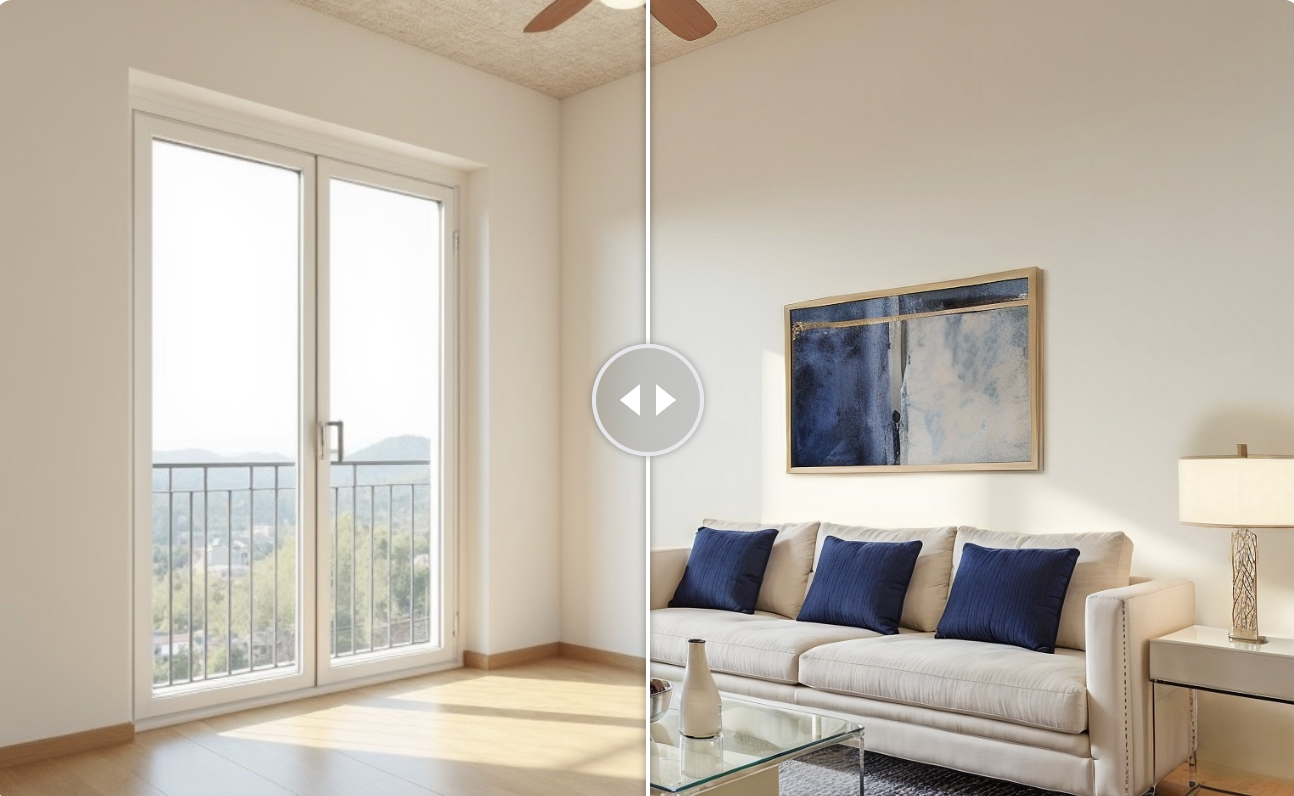
To make the app "sticky," add a slider comparison.
"Add a 'Before/After' slider component that allows users to wipe between the original and the generated image."
The Secret Sauce: Marketing via Localization
Building the tool is only 20% of the work. The other 80% is marketing. The market for "AI Interior Design" in English is crowded. However, the market for "Decorador Virtual con IA" (Spanish) or "Décorateur d'intérieur IA" (French) is much less saturated.
Case Study: Decoraia.es
A perfect example of this strategy is Decoraia.es.
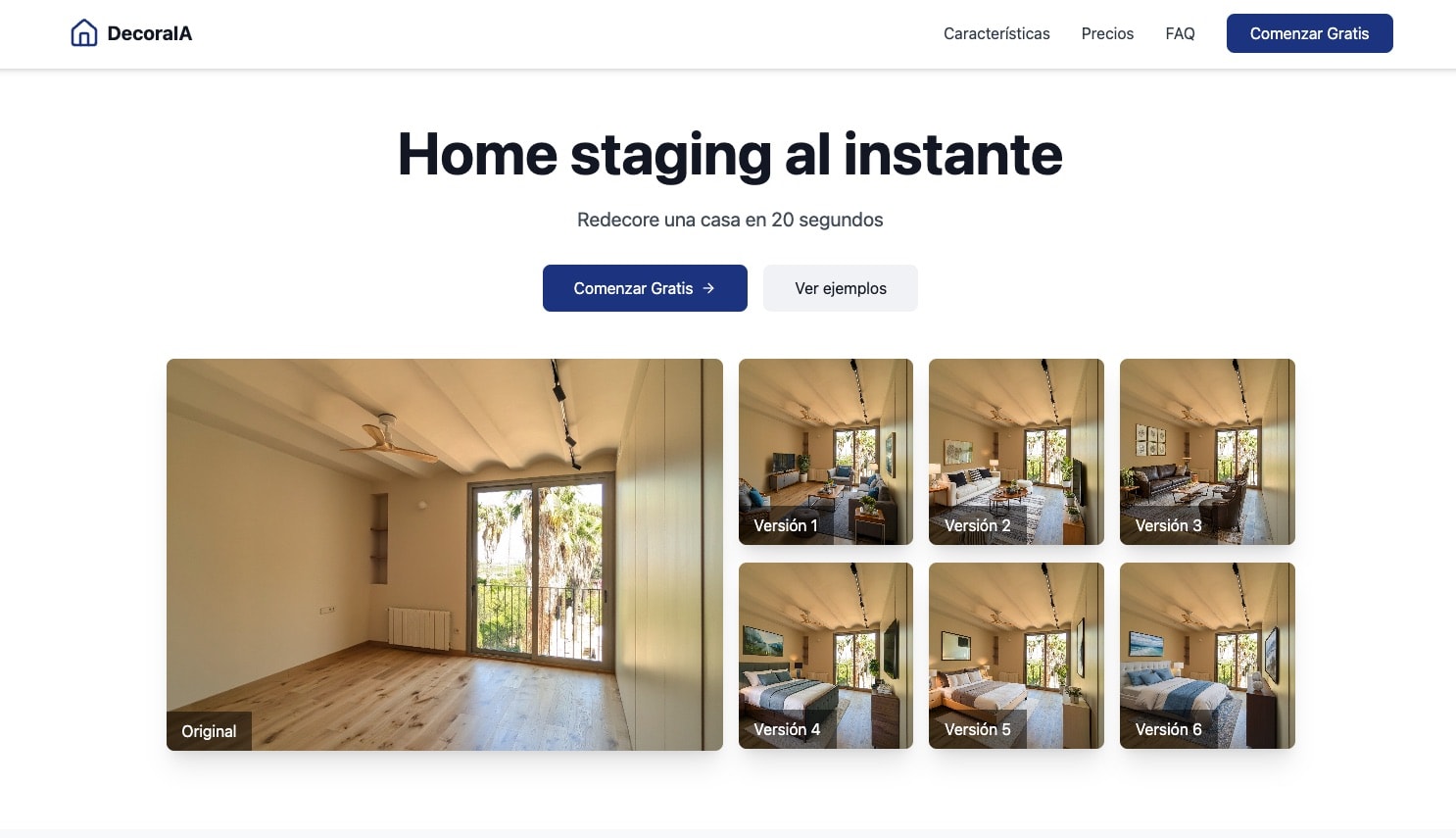
Instead of launching a generic .com targeting the whole world, they doubled down on the Spanish market:
- Local Domain: They used a
.esdomain, which signals relevance to Google Spain and Spanish users. - Native Language: The entire interface, marketing copy, and support are in Spanish. This builds trust that a translated English app often lacks.
- Local SEO: They rank for keywords like "decorar casa ia" or "reformar habitacion virtualment" which have lower difficulty than their English counterparts.
How to Replicate This Strategy
- Pick a Niche Market: Don't just launch globally. Pick a country like Italy, Brazil, or Japan.
- Translate Properly: Don't just use auto-translate. Use an LLM to localize the slang and cultural nuances of interior design terms (e.g., "living room" vs "salón" vs "sala").
- Buy the Country-Code Domain: Get the
.fr,.it, or.dedomain. - Localize the Styles: If you launch in Japan, ensure your "Modern" style option reflects Japanese Modern aesthetics, not American Modern.
By using Lovable to build fast and Nano Banana Pro to deliver quality, you can launch a localized MVP in a weekend. The key is to stop competing with the giants globally and start winning locally.


